A recent conversation reminded me of this horror show:
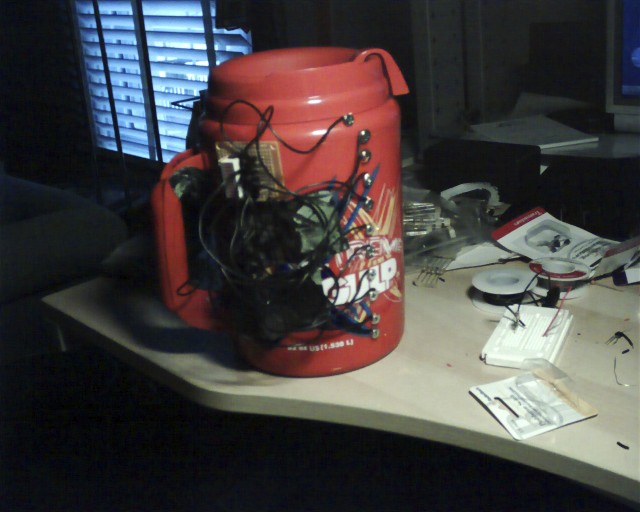
So I thought it’d be fun to talk about what it is.

A recent conversation reminded me of this horror show:
So I thought it’d be fun to talk about what it is.
Or Reactive Power to full?
I made a claim about the power consumption of my EL panel earlier that was patently false for a very interesting reason.
Just a minor update. I changed the header around so it doesn’t take up quite as much space, and I added a link to my “gallery” of all my working projects. If you’re new to the site, that’s a good place to start.
When this whole EL wire obsession started, I was a little disappointed with the poor efficiency I was getting out of my cheap Chinese EL wire drivers. I assumed that they (like a lot of things coming out of China) were poorly designed.
I was wrong.
So, keeping up with my newly rekindled obsession with dimming my EL panel, I decided to try dimming with a TRIAC.
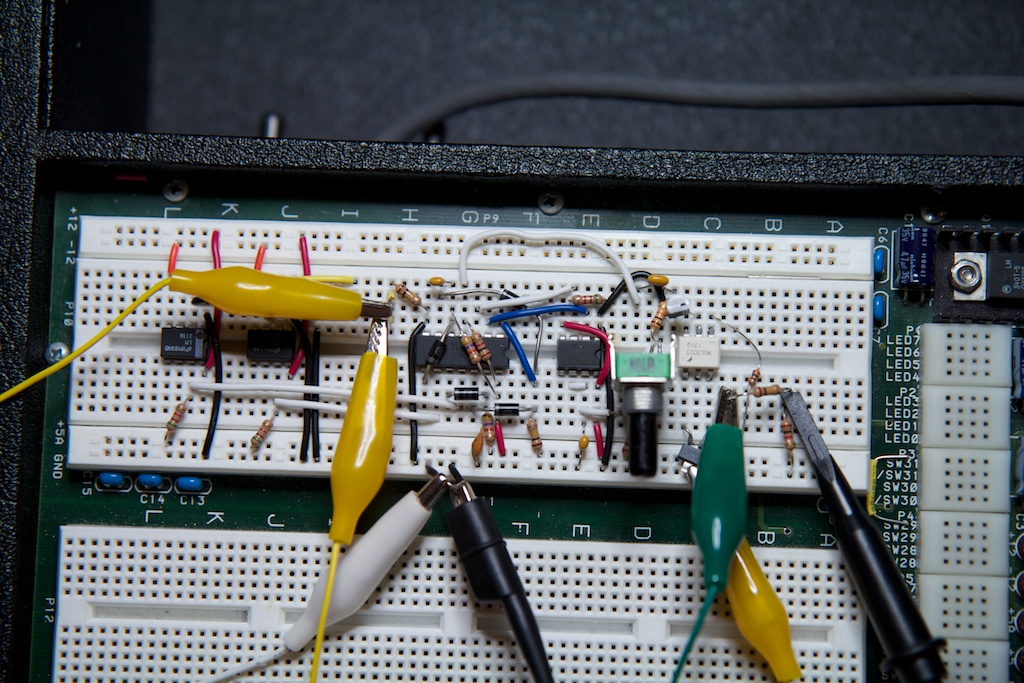
It didn’t work.
I learned something valuable this week. Sometimes it’s best to “see how the other guys are doing it” before trying something yourself.
After posting my very tidy circuit on Reddit the other day, I got a few requests for a breadboarding guide. I came up with this:
I did this all in one take (with some editing), so sorry if it’s a little sloppy. Regardless, it’s chock-full of tips for breadboarding, and if your boards usually end up like a rat’s nest, it’s the best way you can spend 25 minutes.
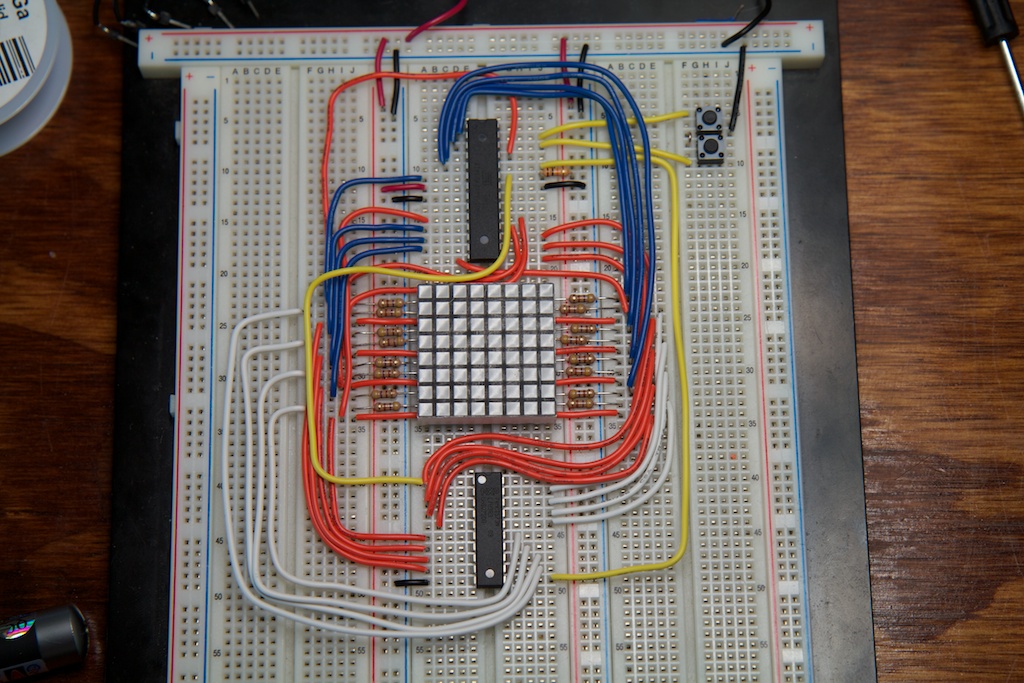
So I’ve got a project coming up (that may have something to do with this tweet) that will require a few LED matrix displays. I found a suitable candidate online and ordered one to play around with. Since I already had the display, I thought it’d be fun to run it through the paces and build a little circuit out of it using some parts I had lying around.
What I came up with is the “Laser Doodler.”
For the past few weeks, I’ve been blogging my assembly of the transistor clock which is now hanging on the wall of my new apartment. One of the most interesting aspects of that clock is how it keeps time.
Most clocks today use high precision crystal oscillators or dial out to some atomic clock somewhere (like your cellphone), but the transistor clock actually uses the 60Hz AC coming out of your wall socket to keep time. While this method was once common use, it’s certainly unconventional by today’s standards. I decided it would be fun to try to investigate exactly how accurate the 60Hz coming out of the wall is.
Now for the third and final installment of the Transistor Clock saga.
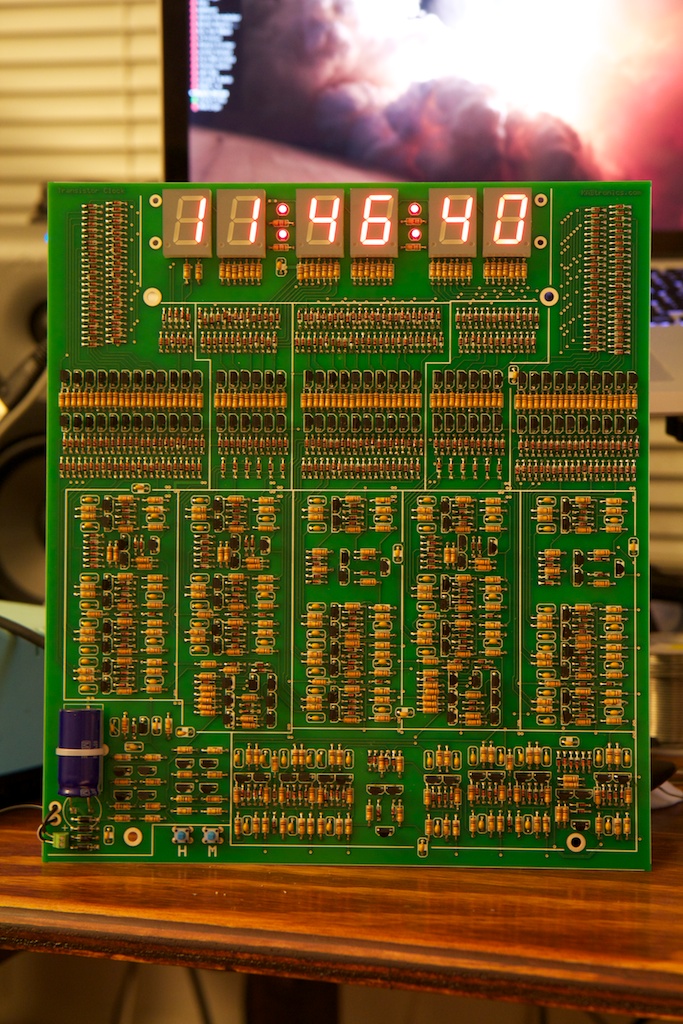
Pretty isn’t it?